

Standardised Tests
A standardised test is used to measure a child’s achievement in English reading, spellings and maths compared to other children throughout the country at the same class level or age level.
The English reading test gives information about how well your child can understand what he/she has read. This test does not gather information on your child’s written or spoken English.
The maths test finds out how well your child can use numbers for different purposes and solve maths problems.
The STen ranges are as follows: (STen means a standard score out of ten)
8 – 10 is well above average, 7 is above average, 5 – 6 is average, 4 is below average, 1 – 3 is well below average

For parents of First-Class children, please note the following:
Criterion Referenced Reports – Adapted from “The New Drumcondra Primary Reading Test: Administration and Interpretation Manual Level 1 (Screening Test)”
At level 1 of the New Drumcondra Primary Tests, STen scores are not included.
Level 1 of the New DPRT was designed primarily as a screening test and was also developed in response to a broader movement away from the culture of full class standardised testing for the very young pupils at this level.
With this in mind and given the anxieties that STen scores can sometimes provoke, it was considered that to report these scores at level 1 could be counterproductive. It is recommended that the criterion-referenced report be used when communicating the results of the level 1 test to parents and guardians.
- Pupils whose standard scores are within the “average”, “high-average”, and “well above average” ranges are all deemed to have reached the criterion in reading.
- Pupils whose scores are in the “low average” range are deemed to be approaching the criterion. “Approaching criterion” suggests a need for constant monitoring.
- Pupils whose scores are in the “well below average” range are flagged as not having reached the criterion. “Criterion not reached” suggests a need for further diagnostic testing and additional support.
As with other tests your child does in school, his/her result on a standardised test can be affected by how he/she feels on the test day or by worry or excitement about a home or school event.
This means that each test result is an indication of your child’s achievement in English reading and maths.
You play an important role in encouraging and supporting your child no matter what he/she scores on the test.
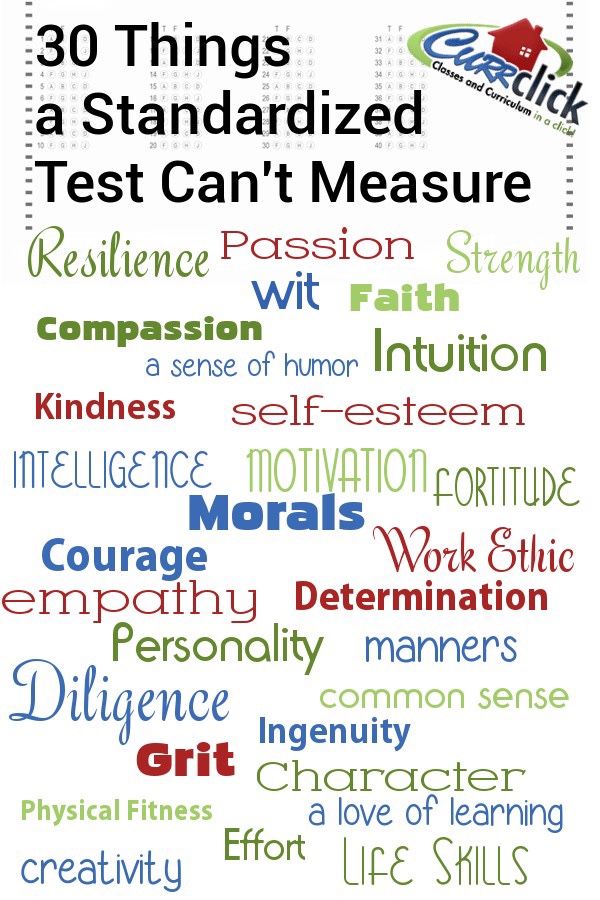
Please note: One test score by itself does not give a complete picture of your child’s learning in English reading, spellings or maths.
Further information on standardised tests can be found here on the NCCA website or see the attached links:
 Knockaderry Farranfore National School